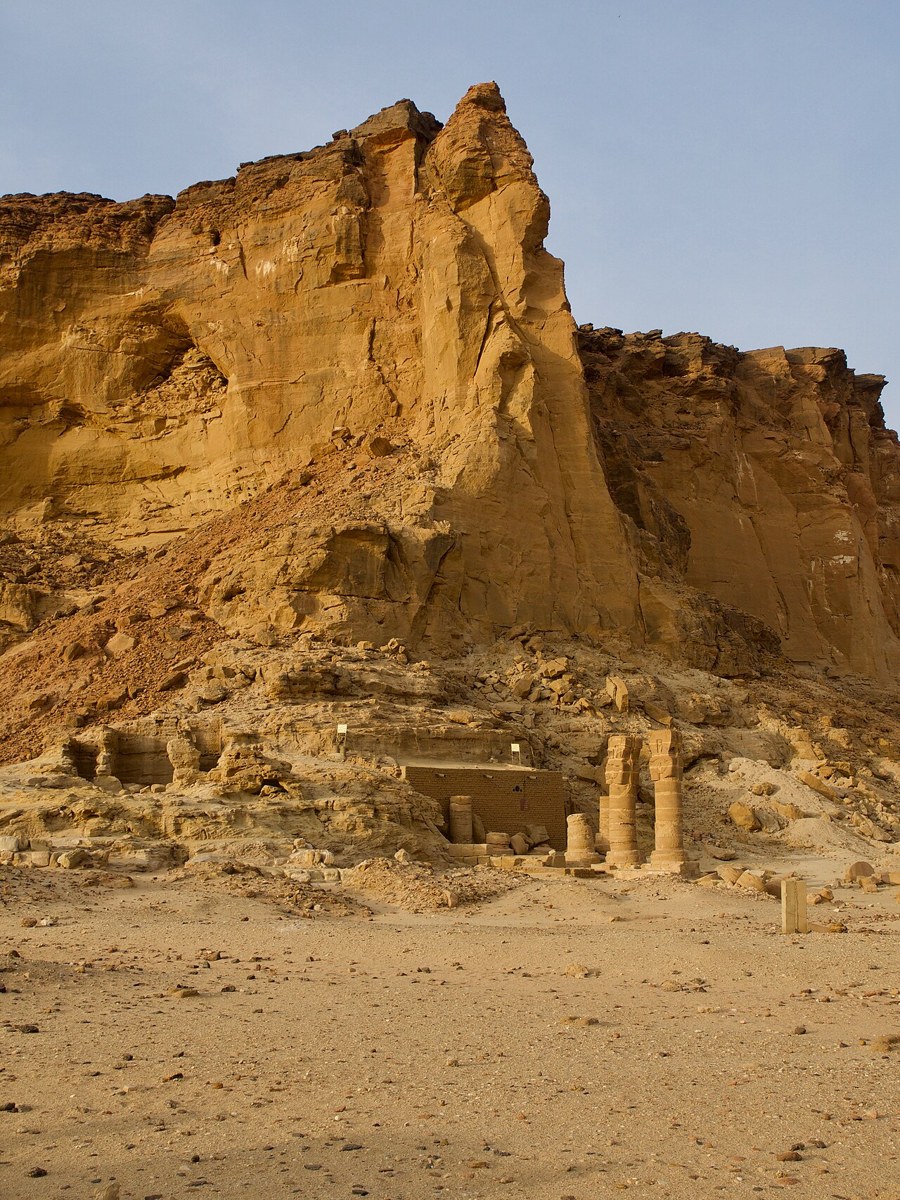
Sudan desert & Nile experiences
Explore the relationship between Sudan’s desert heritage and Nile landscapes, with responsible itinerary-planning questions.
Photo: Laurent de Walick · CC BY 2.0
Cultural and seasonal information is not advice that travel is safe now. Verify current official advice, entry requirements, insurance and transport before making plans.
Two landscapes, one cultural journey
Sudan’s northern archaeological places and Nile landscapes offer complementary ways to understand its heritage. Meroë’s pyramids and royal cemeteries recall Kushite history, while Jebel Barkal and the Napatan region place temples and pyramids beside the river landscape near Karima.
A desert-and-Nile itinerary is a theme, not a confirmed package. No boat service, excursion timetable, accommodation or seat availability is established by this guide.
Choosing depth rather than distance
Use your interests to choose a focus: archaeological history, Nile landscapes or living cultural traditions. Northern State includes Dongola, Karima and Wadi Halfa, while River Nile State includes Atbara, Shendi and Meroë. Their inclusion on a map does not make a multi-stop route practical for every trip length.
Ask the team how arrival and departure points affect the plan, how much time transfers may require and where rest or contingency days belong. Keep routes hypothetical until current transport and site access can be checked.
Preparing for exposed and remote settings
Remote travel may need suitable vehicles and local expertise. Confirm road conditions, communications, water planning and access to essential supplies before deciding on a route. Changing local restrictions and long distances make up-to-date advice important.
The cooler northern season is generally November to February, with cool nights; heat and dry winds become more demanding from March to June. These patterns are not live forecasts, and climatic suitability is not a safety assessment.
Respect for places and communities
Seek permission at heritage sites and before photographing people. Respect local customs and avoid removing material or disturbing archaeological remains. Cultural encounters should be welcomed and locally appropriate, not assumed because a community appears in a travel description.
For a personalized enquiry, describe your interests, available time and preferred pace. Ask for verified options rather than requesting a guarantee of access to every landmark named online.
Common planning questions
Does a Nile experience mean a boat trip is available?
No. Nile landscapes are a geographic theme here. Any boat transport or activity would require separate verification.
Is a suggested desert itinerary a confirmed tour?
No. Proposed routes are general recommendations until the team verifies access and arrangements. No prices or availability are stated in this guide.