River Nile State
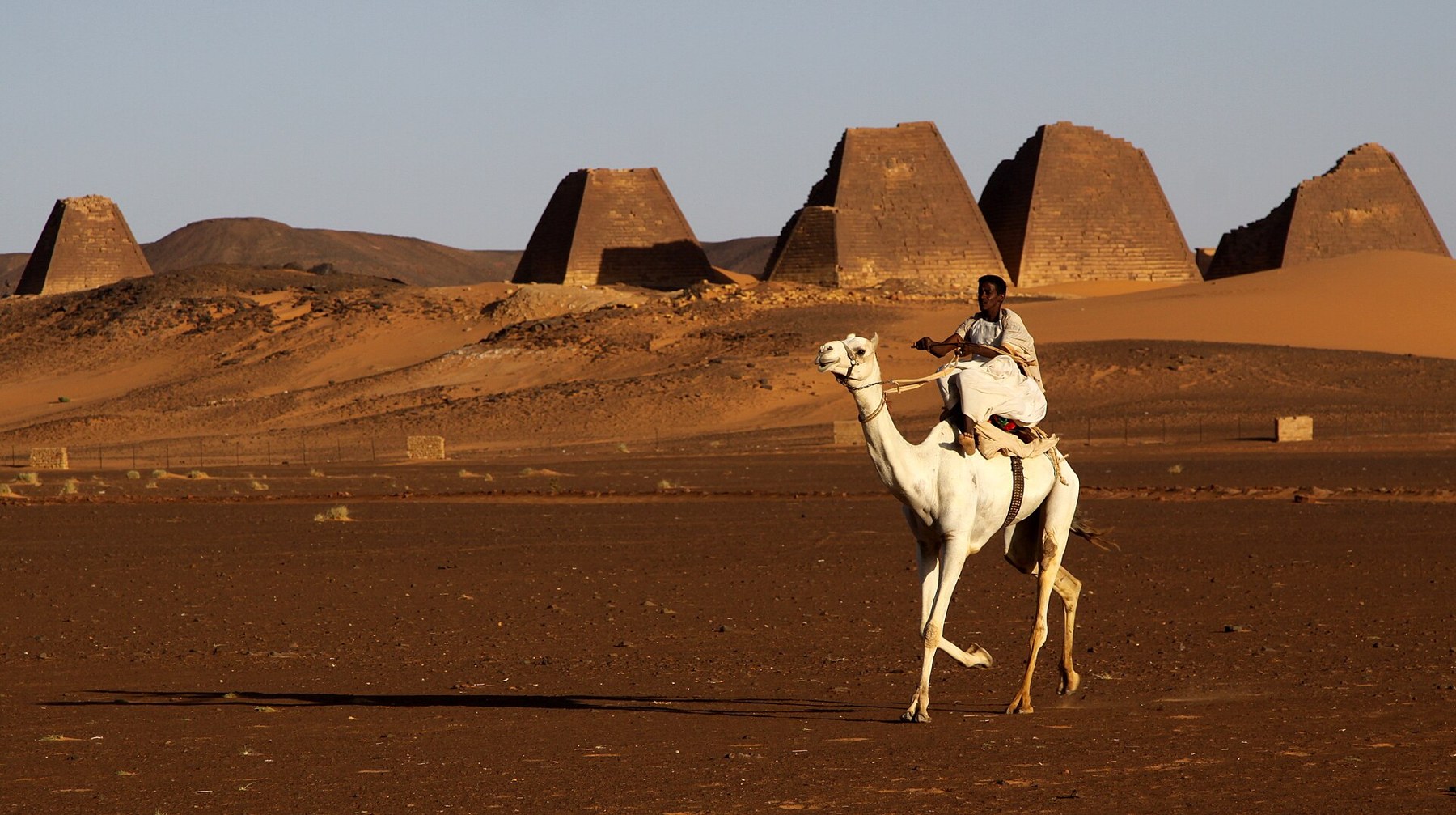
The pyramids of Meroë
Slender pyramids and royal cemeteries recall the ancient Kingdom of Kush. Meroë is part of the UNESCO-listed Archaeological Sites of the Island of Meroe.
Retlaw Snellac · CC BY 2.0Sudan Desert Tours · A land of civilizations
From the pyramids of Kush to the banks of the Nile and the Red Sea coast. A land where history, landscapes and hospitality meet.
Explore the destinationsMeroë pyramids · Photo Retlaw Snellac · CC BY 2.0
Remarkable places. Enduring stories.
River Nile State
Slender pyramids and royal cemeteries recall the ancient Kingdom of Kush. Meroë is part of the UNESCO-listed Archaeological Sites of the Island of Meroe.
Retlaw Snellac · CC BY 2.0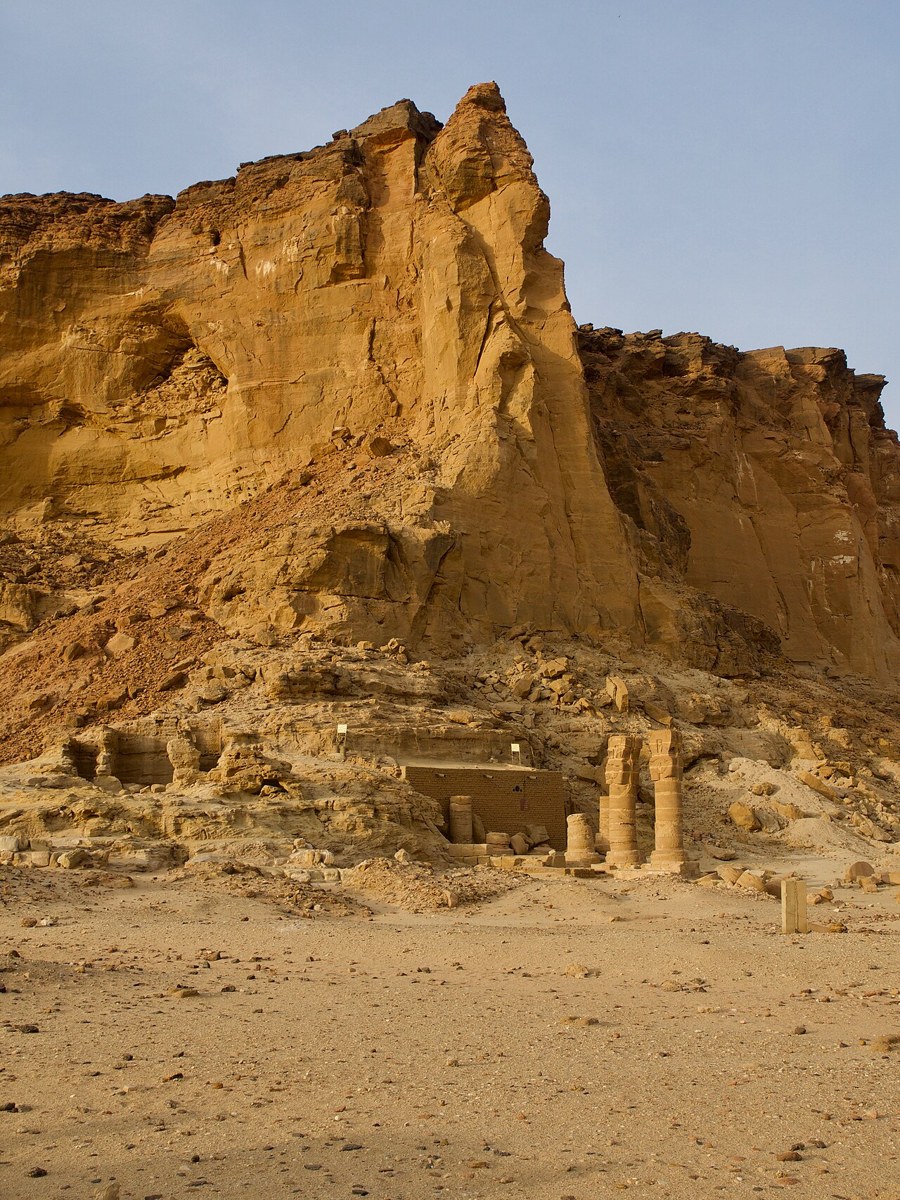
Northern State · Karima
A sandstone mountain above the Nile, surrounded by temples and pyramids. Jebel Barkal and the Sites of the Napatan Region are a UNESCO World Heritage site.
Laurent de Walick · CC BY 2.0Sudan’s landscapes also include historic Suakin, the Red Sea coast and Kassala’s Taka Mountains. Access depends on local conditions.
Geography & diversity
An introduction to selected states and cities, not an exhaustive list or confirmation of travel availability.
Dongola · Karima · Wadi Halfa
Nubian heritage, Nile landscapes and ancient Kushite sites.
Atbara · Shendi · Meroë
Historic river towns and the archaeological landscapes of Meroë.
Port Sudan · Suakin
Red Sea coastline and Suakin’s historic coral-stone architecture.
Khartoum · Omdurman · Bahri
The meeting of the Blue and White Nile, urban history and cultural traditions.
Kassala · Taka Mountains
Distinctive mountain scenery and the cultural diversity of eastern Sudan.
Wad Madani · Blue Nile
Agricultural landscapes and communities along the Blue Nile.
Climate & seasons
General seasonal guidance, not a live weather forecast. Climate varies between the northern desert, central and southern regions, and the Red Sea coast. Climatic suitability does not establish travel safety.
November — February
Generally the most comfortable period for northern desert and archaeological visits. Days can be sunny and nights cool; bring layers.
March — June
Heat becomes more demanding, especially inland. Dust and dry winds can affect visibility and travel; limit exposure and plan rest stops.
July — October
Rainfall is more relevant in central and southern regions; the far north remains much drier. Rain and flooding may disrupt roads.
Culture, heritage & food
Nubian, Beja and many other communities shape Sudan’s languages, crafts, music and oral traditions. Explore respectfully and ask before photographing people.
Kisra, a thin fermented flatbread, and aseeda, often served with savoury stews, are staples. Ful medames and Sudanese tea are familiar parts of everyday hospitality.
Dress modestly, respect worship and local customs, and seek permission at heritage sites. A little Arabic and a patient greeting go a long way.
Travel essentials
Important: security and transport conditions in Sudan can be severe and change rapidly. Consult official advice before making any travel decision. This is a cultural and geographic guide, not a recommendation to travel now.
Check your government’s current Sudan travel advice and confirm visa, entry and health requirements with official authorities. Heritage information here is not confirmation that a destination is open or safe.
Confirm airport operations and road access before planning. Long distances, road conditions and changing local restrictions require up-to-date advice; remote travel may need suitable vehicles and local expertise.
Confirm insurance coverage for Sudan, carry essential medication, and ask a qualified health professional about precautions. Plan water, sun protection, communications and access to cash in advance.